What we actually do
Five areas of work, all built around one belief: prevention works best when it reaches people early and speaks to them plainly.
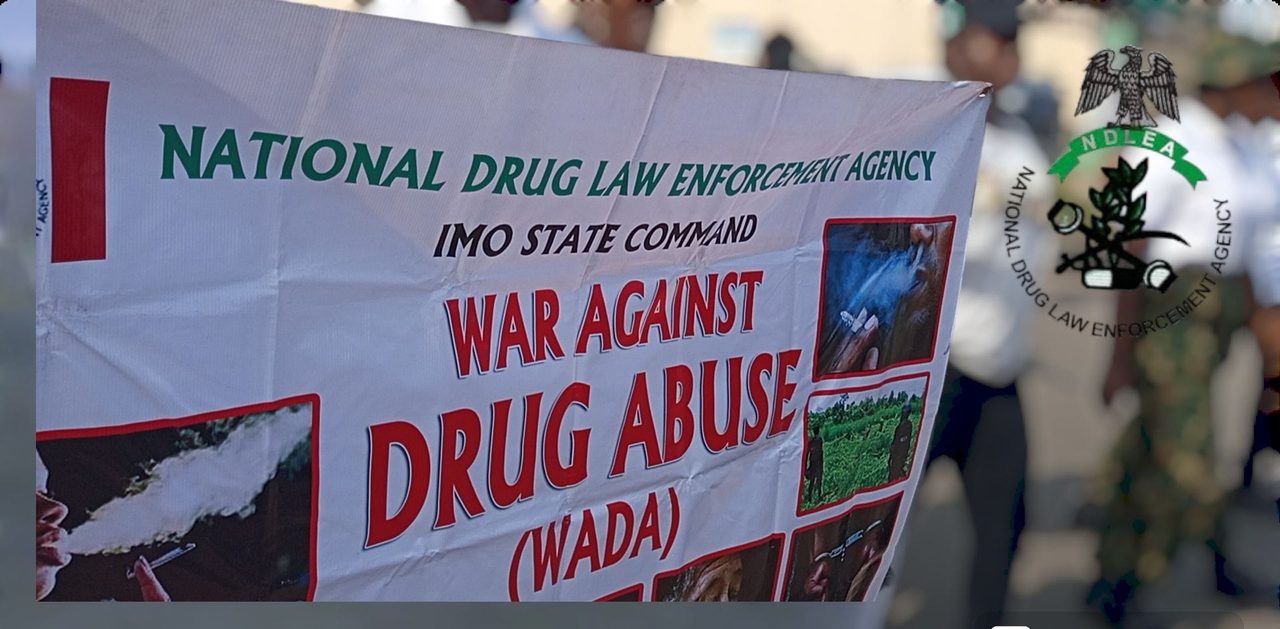
Drug abuse prevention
Campaigns and education aimed at discouraging hard drug use and strengthening informed decision-making.
- Clear information on the physical, mental and social harm linked to hard drugs
- Messages that warn against chemical dependence without stigmatising users
- Practical alternatives: sport, skills, study and supportive peer networks
What success looks like
Young people who can name the risks, refuse pressure and know where to turn for help.
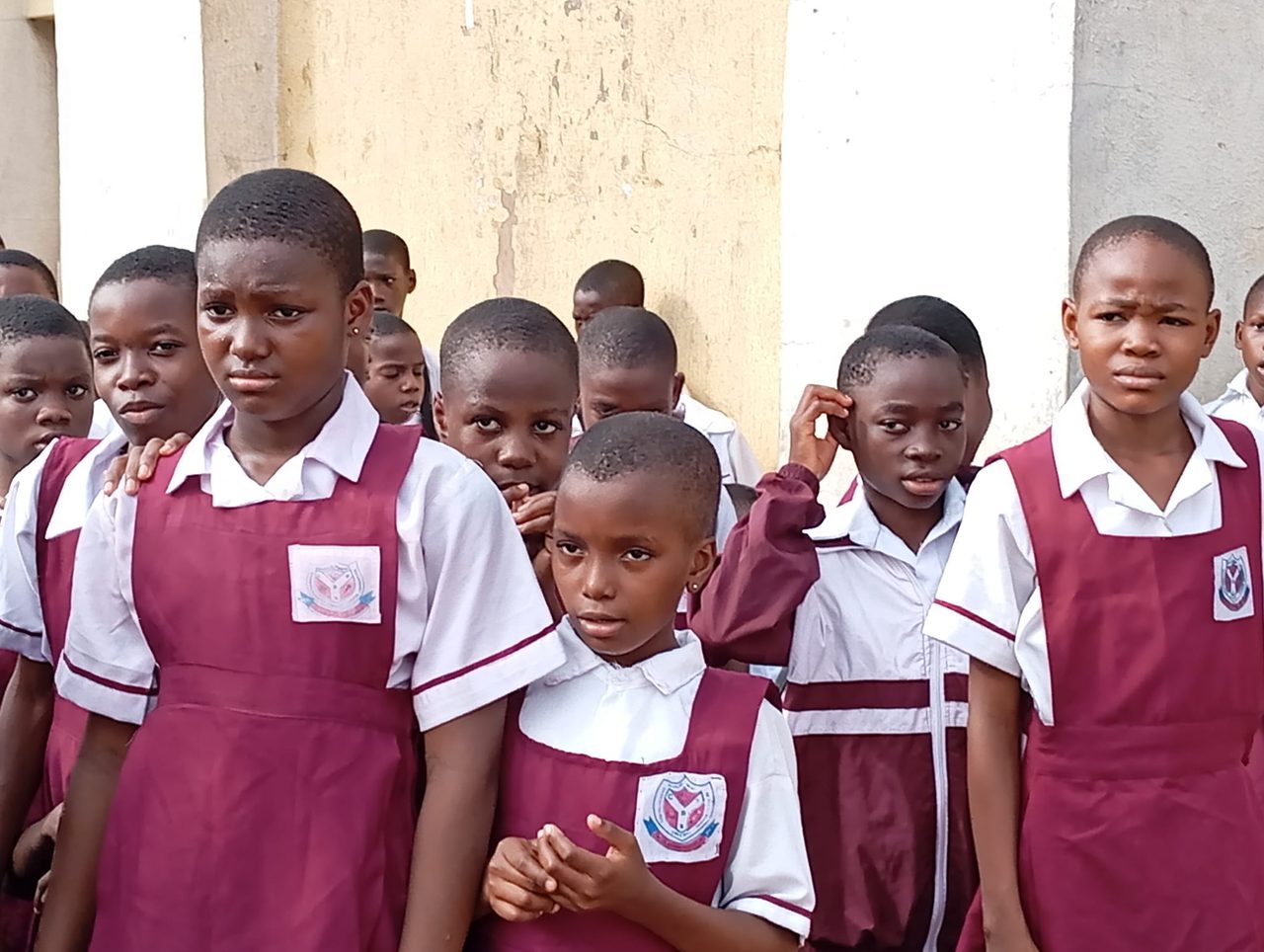
School & youth outreach
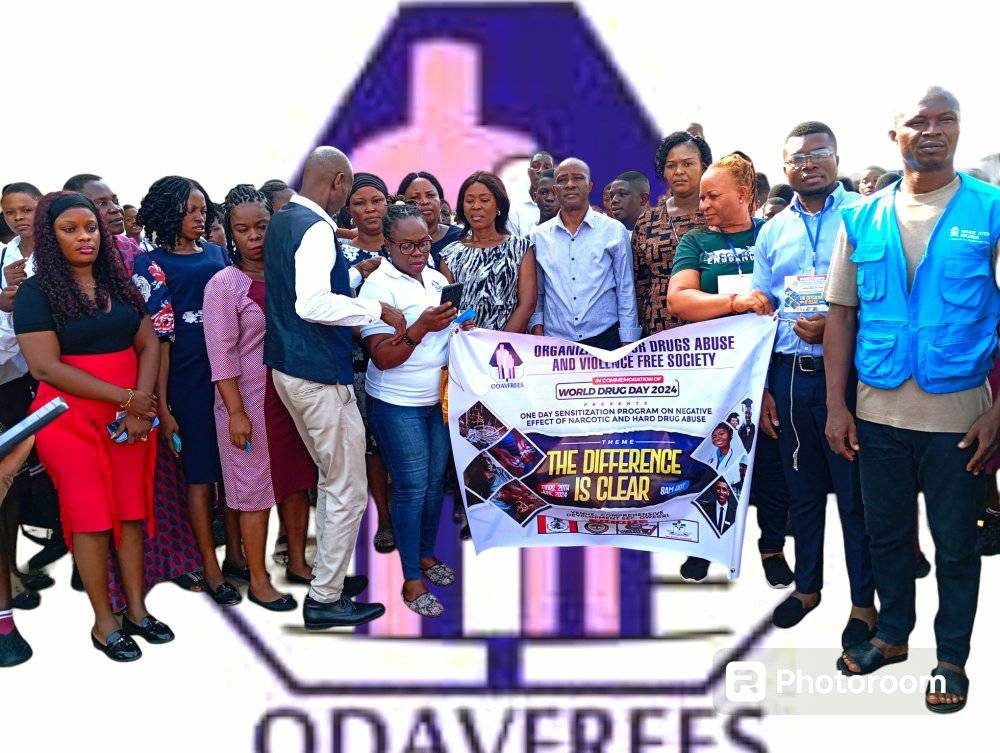
Early engagement with students and youth groups to build awareness before harmful patterns begin.
- School-based sensitisation sessions and assembly talks
- Listening-first formats such as our “In a time like this, listen first” campaign
- Age-appropriate conversations with pupils, students and youth groups
What success looks like
Students who feel heard, and teachers and parents better equipped to continue the conversation.
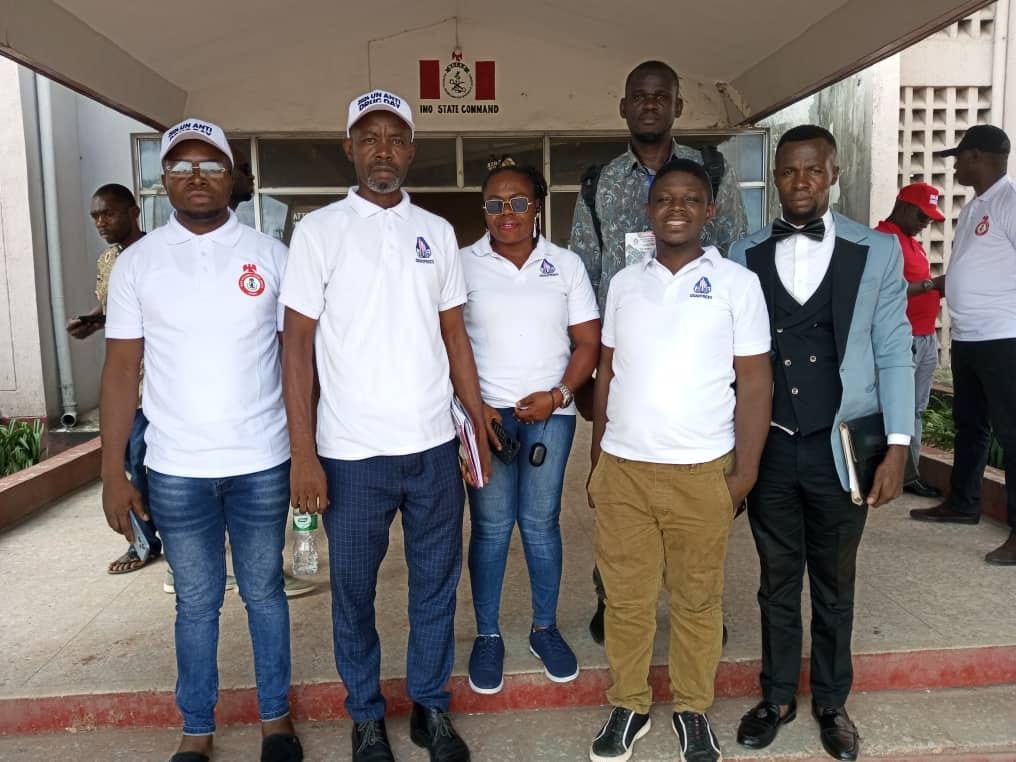
Community advocacy & sensitisation
Public sensitisation, partnerships and movement-building with stakeholders who care about social wellbeing.
- Awareness drives and public messaging in communities and online
- Partnership with schools, youth bodies, civil society groups and community leaders
- Advocacy that keeps drug abuse and violence on the public agenda
What success looks like
Communities that treat prevention as a shared responsibility rather than someone else's problem.
Violence-free society
Messaging and activities that encourage peaceful, safe and healthy communities for all.
- Promoting peaceful ways to resolve conflict
- Encouraging safe environments for young people at school and at home
- Highlighting the connection between substance abuse and violence

What success looks like
Neighbourhoods where young people can move, learn and grow without fear.
Youth leadership & participation
Engaging with youth leadership platforms so that young people help shape the solutions that affect them.
- Participation in youth council and leadership gatherings as an affiliate organisation
- Supporting young advocates to lead peer-to-peer awareness campaigns
- Feedback loops that bring young people’s views into our programming
What success looks like
Young leaders who carry prevention messages into spaces we could never reach alone.
Which programme fits your community?
Tell us what you are facing locally and we will suggest the most useful starting point.